Source Bathroom Water Stop Seals for Roofs, Pipes, and Ceilings
Source bathroom water stop seals from 30 verified listings. Compare PVC and rubber materials with thicknesses from 1.2mm to 4.0mm. Evaluate anti-static, waterproof, and heat insulation functions for outdoor and indoor applications. Request quotes for customized rolls and pipes.
Key considerations
Products List
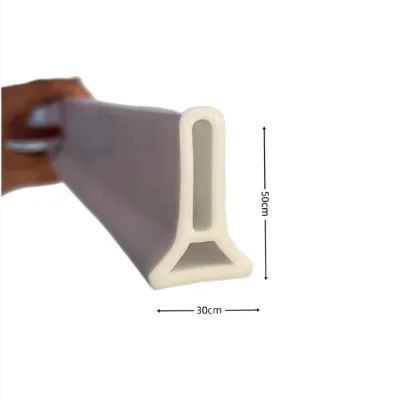
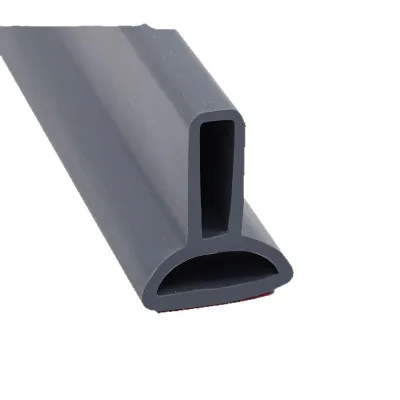
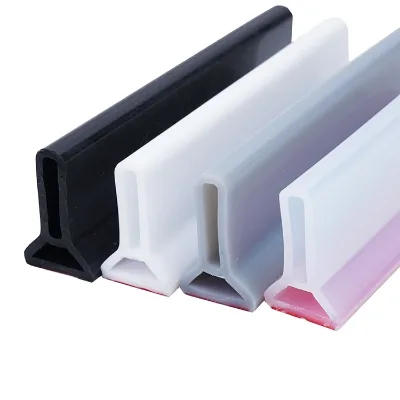
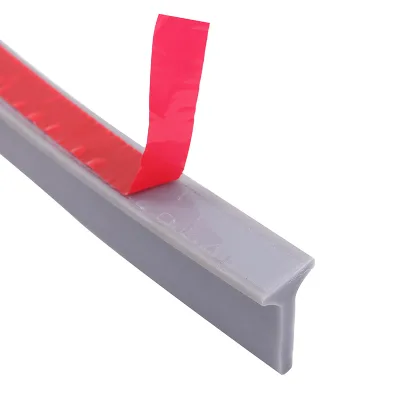


$5.00 - $10.00
Moq: 100


Comprehensive Sourcing Guide
Bathroom Water Stop Sourcing Guide
The bathroom water stop market features a diverse range of sealing solutions, including PVC-based materials and specialized rubber profiles designed for critical wet areas. Buyers should note that observed listings include products explicitly categorized as building sealing materials with applications in roofing and waterproofing, which often overlap with high-moisture bathroom environments. These items frequently come in roll formats, such as mineral wool or PVC ceiling tiles, though the primary function remains preventing water ingress at structural joints.
Procurement decisions must account for the specific functional requirements of the installation, as observed products offer attributes like anti-static properties, heat insulation, and sound absorption alongside standard waterproofing. The supply chain includes manufacturers offering customization for dimensions and surface treatments, such as spray painting or extruding, to match specific architectural needs. Understanding these varied capabilities is essential before selecting a supplier, as the product range spans from simple drainpipe applications to complex roof sealing systems.
Product Scope and Observed Listing Signals
Buyers must distinguish between general waterproofing rolls and specialized bathroom sealing profiles, as the observed data includes items labeled for outdoor use, drainpipes, and roof applications. While some products are explicitly marked for indoor and outdoor usage, others are tailored for specific construction applications like sealants or thermoplastic pipes. It is critical to verify that the selected item is suitable for the specific bathroom context, as a product designed for a drainpipe may not provide the necessary flexibility for a wall-floor junction.
The observed product attributes reveal a wide spectrum of customization options, including available colors like black or generic color options, and varying thicknesses ranging from 1.2mm to 4.0mm. Suppliers often provide packing solutions such as woven bags with labels or custom requirements, which can impact logistics and on-site handling. When evaluating listings, buyers should look for specific mentions of "seal" applications and ensure the material type, whether rubber or PVC, aligns with the durability requirements of a high-humidity bathroom environment.
Technical Specifications to Verify
Thickness is a primary technical variable that directly influences the performance of the water stop, with observed specifications ranging from 1.2mm to 4.0mm depending on the product type. Buyers should verify that the selected thickness matches the joint width and expected movement of the bathroom structure, as thinner profiles may fail under significant stress while thicker ones might be difficult to install in tight spaces. The observed data also highlights specific model types like "J Type," "S Type," and "U TYPE 400MM," which dictate the geometric profile required for effective sealing.
Surface treatment and material composition are equally critical, with observed listings indicating spray-painted or extruded finishes on PVC and rubber materials. The presence of hollow structures in some products suggests specific design features for flexibility or weight reduction, which must be validated against the load-bearing needs of the installation. Additionally, the width of the material, observed to range from 180mm to 500mm as customized, must be precisely measured to ensure full coverage of the intended sealing area without excessive waste or gaps.
Compliance and Safety Documentation
Certification status is a non-negotiable aspect of procurement, with observed listings frequently citing ISO and CE standards as evidence of quality and safety compliance. Buyers must request current certification documents to confirm that the product meets international safety requirements, particularly for materials used in residential or commercial buildings where fire and chemical safety are paramount. The presence of SGS standards in the data further indicates that third-party testing may be available, providing an additional layer of assurance regarding material integrity.
Safety documentation should also address the specific environmental and health impacts of the materials, especially given the potential for off-gassing in enclosed bathroom spaces. While some products are marked with FSC certification in background data, buyers should prioritize verified ISO and CE marks over unconfirmed claims. It is essential to ensure that the surface treatments, such as spray painting or extruding, do not introduce hazardous substances that could compromise indoor air quality, requiring suppliers to provide Material Safety Data Sheets (MSDS) for all chemical components.
Cost Drivers and Commercial Terms
Pricing in this sector is highly variable, with observed listings showing a range from $0.05 to $12 per unit, driven by material type, thickness, and customization levels. Buyers should anticipate that specialized profiles like the "U TYPE 400MM" or custom-width rolls will command higher prices than standard generic seals. The cost structure is further influenced by the complexity of the surface treatment and the specific packaging requirements, such as high-quality woven bags versus standard wrapping, which add to the overall unit cost.
Minimum Order Quantities (MOQ) present another significant commercial factor, with observed ranges spanning from 10 to 3000 units, reflecting the scale of production and supplier capacity. Smaller buyers may face challenges meeting high MOQs, necessitating negotiation or consolidation with other projects, while larger procurement teams can leverage volume discounts. Lead times and sample availability, noted as 7 days in some listings, also impact the total cost of ownership, as expedited shipping or rush orders often incur additional fees that must be factored into the budget.
Supplier Qualification and Quality Control
Supplier qualification requires a rigorous assessment of their manufacturing capabilities, particularly their ability to deliver consistent thickness and material properties across large batches. Buyers should verify that the supplier has a proven track record in producing building sealing materials and waterproofing rolls, as evidenced by their adherence to ISO and CE standards. The observation of "Made in China" as a common origin suggests a need for robust quality control protocols to ensure that the exported goods meet the specific technical specifications required for the project.
Quality control processes must extend beyond the factory floor to include pre-shipment inspections and sample verification, especially given the wide range of observed product models and thicknesses. Buyers should request physical samples to test for flexibility, adhesion, and resistance to water absorption before committing to a large order. The availability of customization options, such as specific colors or surface treatments, should be validated through a pilot run to ensure that the final product matches the design intent and performs reliably in the intended bathroom application.
Long-Term Procurement Checks
Long-term procurement success depends on establishing a reliable supply chain that can consistently meet evolving project demands without compromising on quality or delivery schedules. Buyers should monitor the supplier's ability to maintain consistent product standards, particularly regarding the observed variations in thickness and material composition, to prevent performance issues over time. Regular audits of the supplier's production lines and quality assurance processes are essential to ensure that the products continue to meet the required ISO and CE certifications.
Performance tracking is another critical component, requiring buyers to document the real-world performance of the installed water stops in terms of durability and leak prevention. Feedback loops with the installation teams can provide valuable insights into whether the observed attributes, such as anti-static properties or heat insulation, are delivering the expected benefits in the field. By maintaining a detailed record of product performance and supplier reliability, buyers can make informed decisions for future procurement cycles and mitigate the risks associated with supply chain disruptions.
FAQs
What materials are used for bathroom water stop seals?
Bathroom water stop seals are commonly manufactured from PVC and rubber materials. These materials provide the necessary flexibility and durability for effective sealing. The products often feature a roll format, allowing for easy installation along joints. Some variants include hollow structures to enhance performance. Surface treatments like spray painting or extruding are applied to ensure longevity and aesthetic appeal in wet environments.
Can bathroom water stop products be customized?
Yes, customization is available for bathroom water stop products. Buyers can request specific dimensions, such as widths ranging from 180mm to 500mm. Models like J Type, S Type, and U Type 400mm are offered to suit different installation needs. The products can be tailored to meet specific project requirements, ensuring a precise fit for various bathroom layouts and sealing applications.
What certifications do bathroom water stop suppliers hold?
Suppliers of bathroom water stop products typically hold ISO and CE certifications. These certifications indicate compliance with international quality and safety standards. Some products also reference SGS standards. These credentials assure buyers of the product's reliability and adherence to regulatory requirements. The origin is primarily China, where manufacturing processes are standardized to meet global market expectations for building sealing materials.
What are the thickness options for waterproof rolls?
Waterproof roll materials for bathroom sealing are available in various thicknesses. Common specifications include 1.2mm, 2.0mm, and 4.0mm options. These different thicknesses cater to diverse structural needs and durability requirements. The selection depends on the specific application, whether for roof sealing or indoor bathroom joints. Thicker rolls generally offer enhanced waterproofing performance and longer service life in high-moisture areas.
How are bathroom water stop products packaged?
Bathroom water stop products are packaged to ensure safe transport and storage. Each roll is typically wrapped in a woven bag with a label for identification. High-quality woven bags are used to protect the material from damage. Packaging can also be customized as required by the buyer. This method helps maintain the integrity of the seals during shipping and handling, ensuring they arrive in optimal condition for installation.
What functions do bathroom water stop seals provide?
Bathroom water stop seals provide essential waterproofing and anti-static functions. They prevent water leakage at joints and seams, protecting the structure from moisture damage. Some products also offer heat insulation and sound-absorbing properties. These multifunctional features enhance the comfort and safety of bathroom environments. The seals are designed to withstand outdoor and indoor conditions, ensuring long-term performance and reliability.